Budget & prices
Sofia-Grad Hotel Booking Tips: How to Find the Best Deals in 2026
Navigate Bulgaria's capital with insider strategies for securing quality accommodation at the best rates, from Lozenets apartments to Vitosha mountain lodges.
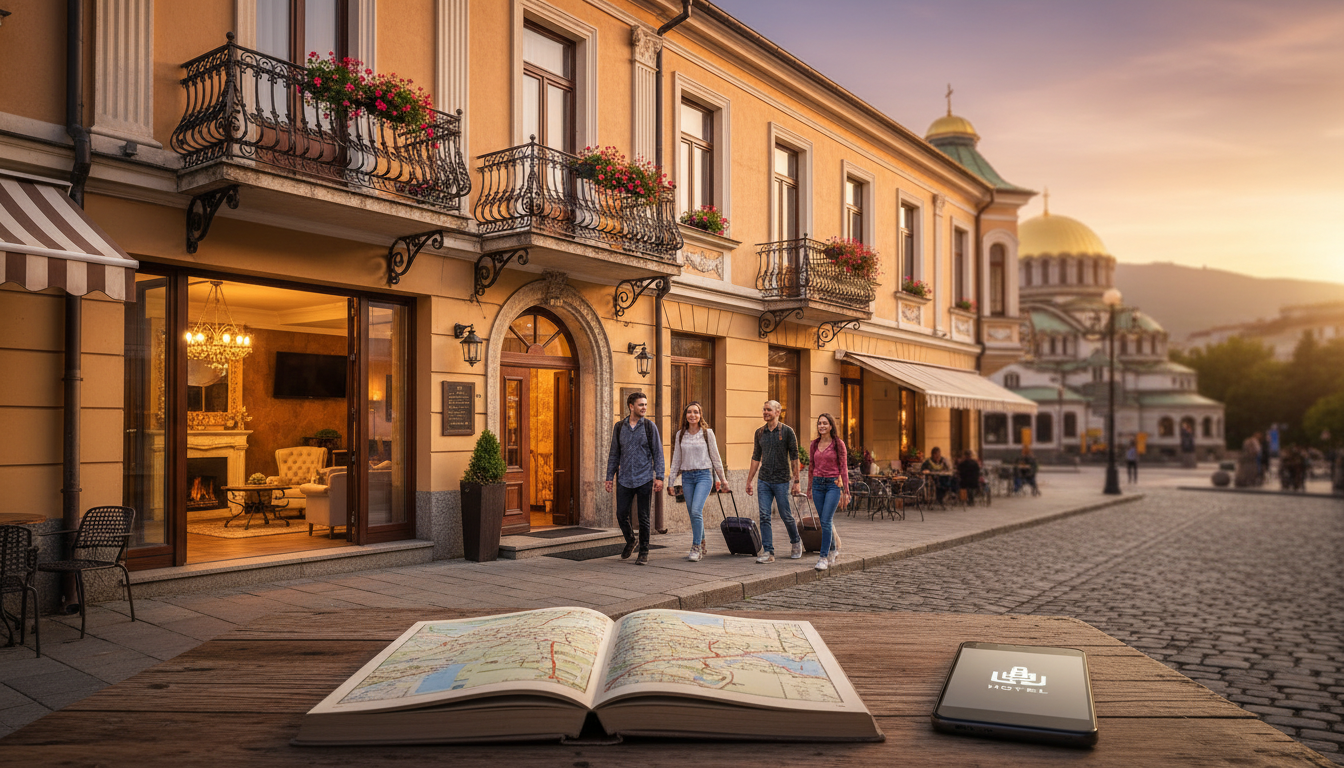
Book Early for Spring and Autumn Peak Seasons
Sofia's shoulder seasons—April through May and September through October—deliver the city's most pleasant weather and highest accommodation demand. Hotels in Sredets and Oborishte districts fill quickly during these months as both business travellers and tourists converge on the compact centre. Book six to eight weeks ahead for a stay in these windows and you hold a central three-star for €60 to €85; leave it to the fortnight before and the same room lands at €110 or is simply gone. The two immovable spikes are the Sofia Film Fest in the second half of March and the long May holiday weekends around the 1st and the 6th, when central rates jump by a third. If your dates touch those, treat early booking as non-negotiable.
The trap in a shoulder-season deal is a non-refundable rate you lock in too early. Sofia's weather in April can swing from 8°C rain to 24°C sun inside a week, and airlines shuffle schedules, so book the flexible tariff even when it costs €5 to €8 more a night—most centre hotels let you cancel free up to 24 or 48 hours before arrival. Set the booking, then keep an eye on the price: Bulgarian hotels quietly undercut their own listings four to five weeks out to fill the last rooms, and free cancellation lets you rebook the cheaper rate without losing the first. Winter, December through February aside from New Year, is the true bargain—the same central room drops to €40 to €55.
Where the Real Value Sits: Skip the Centre for Vazrazhdane and Oborishte
The single biggest lever on your bill is which district you book, not which hotel. The prestige address is Sredets, the government-and-embassy core around Vitosha Boulevard, and you pay for it: €90 to €150 a night for anything with a lift and a decent breakfast. Walk fifteen minutes north-west into Vazrazhdane, the reviving grid between the Central Station and the Halite market, and the same standard of room costs €50 to €75. Oborishte, the leafy embassy quarter just east of the centre, sits in between at €65 to €95 and buys you quiet tree-lined streets, the Doctors' Garden and a ten-minute walk to Sofia University. Both put you one or two metro stops from everything a visitor actually wants to see.
Distance from Serdika, the central metro interchange under the Largo, matters more than the postcode's reputation. From Vazrazhdane you are two stops or a twelve-minute walk to Sveta Nedelya; from the Serdika district around the Lions' Bridge, three minutes on the M2. Where I would not chase the saving is the far outer districts—Lyulin, Nadezhda or Mladost—where a €35 room adds a 25-minute commute each way and a change of line, eating the difference in taxi fares and time. The sweet spot for value in 2026 is a mid-range room in Vazrazhdane or Serdika, on the metro, at €55 to €70, rather than a cramped central studio at €120 whose only advantage is a Vitosha Boulevard address you will barely use once you have the metro card.
Time the Weekday-Weekend Swing to Your Advantage
Sofia is a business and government city first, a tourist one second, and its hotel prices move on that rhythm. Rooms in Sredets, Oborishte and the Iztok business district are dearest Monday to Thursday, when corporate travel fills them, and soften noticeably on Friday and Saturday nights once the suits go home. A central four-star that asks €120 on a Tuesday will often sit at €80 to €90 for a Saturday. If your trip is flexible, arrive Friday and leave Monday morning: you catch the cheap weekend nights and skip the Monday-night premium. This is the opposite of most beach or resort destinations, so do not assume the weekend is the expensive slot here.
The exception is a convention or a match at Vasil Levski stadium, when a single event can double weekend rates across the centre for two or three nights—check the National Palace of Culture (NDK) event calendar in Triaditsa before you fix dates, because a large congress there empties the nearby hotels first. For a purely sightseeing trip, the cheapest reliable pattern in 2026 is a Saturday-to-Tuesday stay outside March and the May holidays: weekend business softness on the front half, and Sunday and Monday are the quietest, cheapest nights of the week for a leisure booking. Booking directly with the hotel by email for a three-night-plus weekend stay often shakes loose another 5 to 10 percent the public channels will not show.
Read the Full Price: Tourist Tax, the Euro and 'Free Cancellation'
Bulgaria adopted the euro on 1 January 2026, so quoted prices are now in euro rather than lev, and the old mental arithmetic of dividing by two is gone—a rate that reads €70 is €70, full stop. Watch for hotels still displaying dual pricing during the changeover year; the euro figure is the one that binds. On top of the room rate every Sofia hotel adds a municipal tourist tax of roughly €0.70 to €1.30 per person per night, sometimes shown separately at check-in rather than in the headline price, so a five-night stay for two quietly adds €7 to €13. It is small, but it is the difference between two rates that looked identical online.
The other hidden variable is what the rate includes. A €55 room with breakfast, free cancellation and a lift can be better value than a €48 room that is non-refundable, breakfast-extra and up three flights with no elevator—Sofia has plenty of the latter in older converted apartment blocks. Read whether breakfast, the tourist tax and VAT are in the number, and whether cancellation is genuinely free or merely 'flexible' with a one-night penalty. Pay by card, not cash, so you have a record and the euro conversion is handled by your bank; ATMs still dispense clean euro during 2026 but the card rate is simpler. If a place insists on cash-only for the room, treat it as a warning sign about its paperwork.
Apartments in Lozenets for Stays of Four Nights or More
For any stay of four nights or longer, price a serviced apartment against a hotel—in Sofia the maths usually favours the apartment past the third night. Lozenets, the well-heeled residential district south-east of the centre around the South Park, is the place to look: quiet streets, good cafés on Cherni Vrah Boulevard, and one-bedroom apartments at €50 to €80 a night that undercut a comparable hotel room and add a kitchen, a washing machine and space to spread out. A week there for a couple or a small family lands well under what two hotel rooms would cost, and the M2 metro at Vitosha and James Bourchier stations puts the centre eight minutes away.
The catch with apartments is the fixed cleaning fee, typically €15 to €30, which wrecks the per-night maths on a one or two-night stay and only amortises over a longer booking—so keep hotels for short trips and apartments for long ones. Confirm before booking that there is self check-in or a clear key-handover plan, because a late arrival with nobody to meet you is the classic apartment horror story. Look also at Iztok and Izgrev, the calm mid-century districts east of the centre, where the same money buys a larger flat a little further out but still on the metro. Avoid ground-floor street-facing apartments on the boulevards; Sofia traffic starts early and the double glazing is often thin.
Vitosha Lodges: The Off-Season Mountain Bargain
Sofia is the rare capital with a 2,290-metre mountain on its doorstep, and the villages on Vitosha's lower slopes—Dragalevtsi, Simeonovo, Boyana and Knyazhevo—offer a genuinely different stay for often less money than the centre. A guesthouse or small lodge in Dragalevtsi, about eight kilometres and a 20-minute drive from the core, runs €55 to €90 a night with a garden, forest air and the Dragalevtsi monastery and chairlift up the road. Simeonovo, at the foot of the gondola, is quieter still. These make most sense with a car or a willingness to use the tram-and-bus links, and they reward booking outside the summer weekends when Sofians themselves drive up to escape the heat.
The deal on Vitosha is seasonal and inverted from what you might expect. In summer these lodges fill on weekends with locals and prices firm up; midweek and in the shoulder months of May, June, September and October they are quiet and cheap, and the hiking to Cherni Vrah or the Boyana waterfall is at its best. Winter turns Dragalevtsi and Simeonovo into ski-access bases when the snow holds on the upper runs, and rates rise with demand for the December-to-February window. For a warm-weather trip that mixes a few city days with real mountain quiet, book two or three nights in the centre on the metro, then move up to a Dragalevtsi lodge for the back half—you get both halves of Sofia and keep the total bill below a week of central-hotel rates.
Which Booking Channel Actually Wins on Price
Booking.com dominates Bulgarian inventory—nearly every Sofia hotel lists there, so it is the widest net, and its Genius loyalty tiers knock 10 to 15 percent off flagged rooms once you have a couple of stays logged. But the lowest number is rarely on the first screen you open. Start on a metasearch instead—Google Hotels or Trivago—so you see every channel's price for the same room side by side, then click through to the two cheapest. For a single central three-star in Sofia the gap between the dearest and cheapest channel routinely runs €12 to €20 a night, entirely down to which agency happens to hold the promo that week. Never book the first rate you are shown.
Once you have the cheapest OTA figure, email or phone the hotel directly and ask them to match it. Small Sofia independents—the Family Hotel Saint George near the National Stadium, or Hotel Kibella out by the Vasil Levski metro—often will, because the booking site skims a 15 to 18 percent commission they would rather keep, and they can throw in breakfast or a late checkout to close the deal. Chains almost never budge, so book those on the app. Watch the prepaid-versus-pay-at-property split too: a non-refundable prepaid rate is usually €5 to €10 cheaper a night but locks your euro in immediately, while pay-at-property keeps your card free and lets you cancel—worth the small premium in a year when dates still move.
Two levers most visitors miss. First, the OTA mobile apps carry 'mobile-only' rates a few euro below the desktop site, so book on the phone, not the laptop. Second, sign in before you search: member and Genius discounts only attach to flagged properties and vanish for anonymous browsing, so an incognito window that looks cheaper is usually just hiding your own loyalty price. City Avenue Hotel and the other independent three-stars along Osogovo Street near Central Station are exactly where a matched direct rate stacked on a logged-in app discount turns into real money over a five-night stay—€30 to €50 saved for two emails and one login.
Questions, answered
When is the cheapest time to book a hotel in Sofia?
Winter—December through February, setting aside the New Year spike—is the cheapest season, with central three-stars dropping to €40 to €55. Within any month, Sunday and Monday nights are the quietest and cheapest because Sofia's hotels run on business demand. Book six to eight weeks ahead for the March and May peaks, but four to five weeks out often catches quiet last-room discounts.
Which Sofia neighbourhood gives the best value for money?
Vazrazhdane, the reviving district between the Central Station and the Halite market, offers central-standard rooms at €50 to €75—well under Sredets prices—while staying one or two metro stops from the sights. Oborishte and the Serdika area are the next best. Avoid far-out districts like Lyulin or Mladost, where a cheap room costs you a 25-minute commute each way.
Is an apartment cheaper than a hotel in Sofia?
For stays of four nights or more, yes. A one-bedroom apartment in Lozenets runs €50 to €80 a night with a kitchen and washing machine, beating a comparable hotel once the third night passes. But watch the fixed cleaning fee of €15 to €30, which makes apartments poor value for one or two-night stays—keep hotels for short trips.
Do Sofia hotels charge a tourist tax on top of the room rate?
Yes. Every Sofia hotel adds a municipal tourist tax of roughly €0.70 to €1.30 per person per night, sometimes collected separately at check-in rather than shown in the online price. Over a five-night stay for two that quietly adds €7 to €13. Since Bulgaria adopted the euro on 1 January 2026, all rates and the tax are now quoted in euro.
Should I book a Sofia hotel for the weekend or midweek?
Book the weekend. Sofia is a business city, so central hotels in Sredets, Oborishte and Iztok are dearest Monday to Thursday and soften on Friday and Saturday nights—often €80 to €90 versus €120 midweek for the same four-star. The exception is a big NDK congress or a stadium event, which can double weekend rates, so check the event calendar first.
Is Booking.com or booking direct cheaper in Sofia?
Start on Booking.com or a metasearch to find the lowest public rate—it dominates Bulgarian inventory—then email the hotel and ask them to match it. Independent Sofia hotels often will, since the site takes a 15 to 18 percent commission, and may add breakfast or late checkout. Chains rarely move, so book those on the app for the member rate.
Doing good is the business: every booking through Stay Sofia funds one verified tonne of carbon removal — same room, same price, no markup.
Start your search