Culture & sights
Best Places to Walk in Sofia-Grad: Scenic Routes & Top Hotels for Your Stay 2026
From Vitosha Mountain trails to Borisova Gradina's tree-lined paths, Sofia-Grad delivers city parks, cobbled heritage lanes and alpine panoramas within minutes of each other.
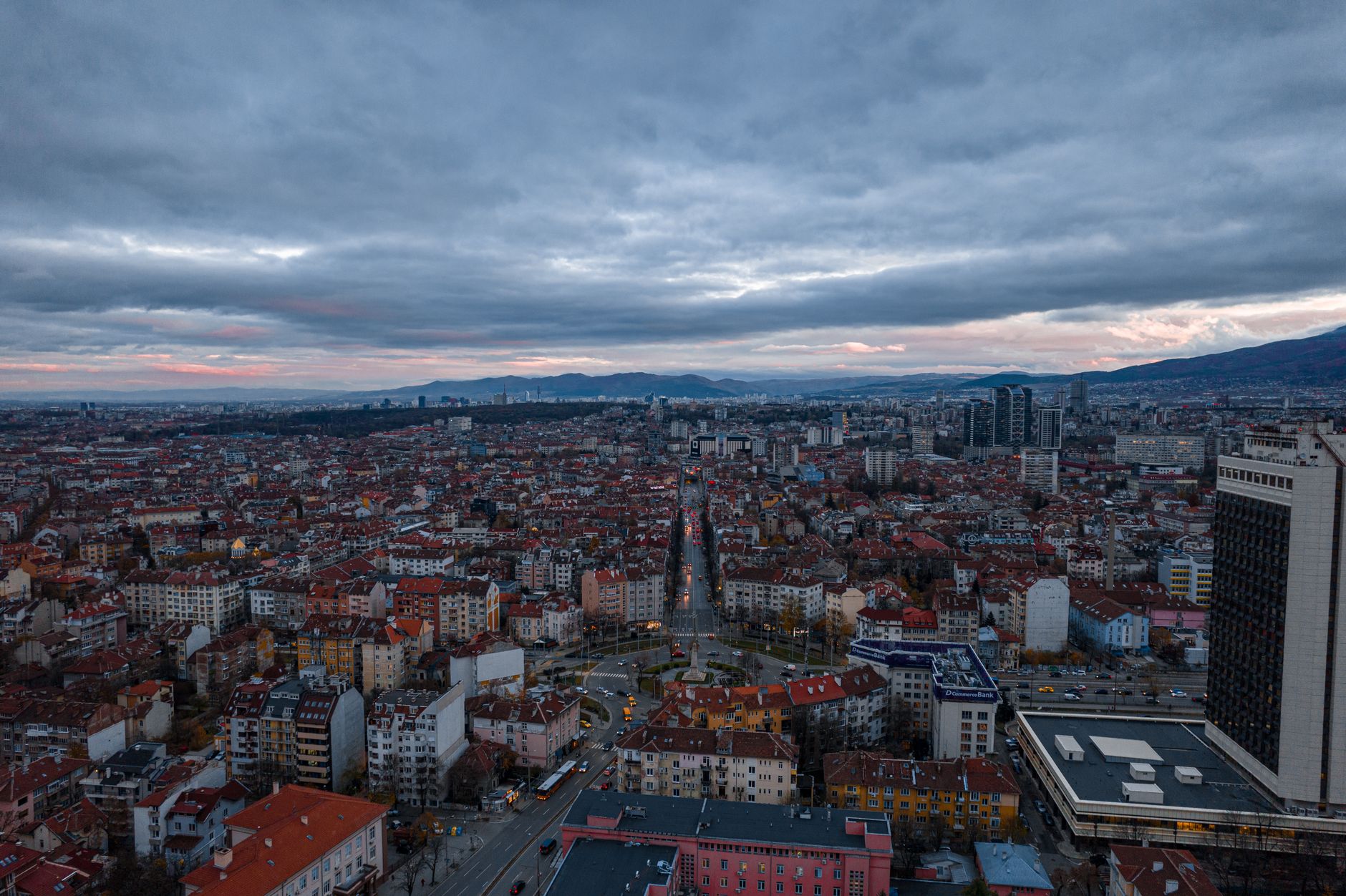
Vitosha Boulevard and the City Centre Loop
Vitosha Boulevard runs 1.3 kilometres through central Sofia-Grad from Sveta Nedelya Square south to the Palace of Culture, creating the most popular pedestrian promenade in the capital. The wide cobbled surface is lined with linden and plane trees, café terraces spill onto the flagstones, and the whole street closes to traffic so you can walk its length without touching a road crossing. On a clear day the wall of Vitosha mountain fills the view straight ahead, which is how the street earned its name. Allow 20 minutes end to end at a stroll, or an hour if you stop for coffee, and you have covered the spine that every other central walk branches off.
Turn the boulevard into a loop by returning along the parallel streets. From the Palace of Culture (NDK) cross the small park, head north up Graf Ignatiev — the tram street lined with produce stalls and bakeries — then cut back to Sveta Nedelya through Solunska and Pirotska. The full circuit runs about 3.5 kilometres and takes 75 minutes without stops, all flat and paved. Do it early, before 9am, when the delivery vans have gone and the light is soft on the yellow plaster facades. Avoid Friday and Saturday nights, when the southern end near NDK turns into the city's loudest bar strip and the crowds make a quiet walk impossible.
Borisova Gradina: Sofia's Green Lung
Borisova Gradina is Sofia's oldest and largest park, laid out in 1884 and named after Tsar Boris III, and it is the single best place in the city for a long uninterrupted walk. The main gate sits at Eagles' Bridge (Orlov Most), a ten-minute walk east of Vitosha Boulevard along Tsar Osvoboditel. Inside, more than three kilometres of shaded alleys wind past Ariana Lake, the 1930s astronomical observatory, and a scatter of Communist-era monuments. A full circuit of the park is around five kilometres and takes 90 minutes; the paths are wide, mostly gravel and asphalt, and gently rolling rather than flat. It is free, open around the clock, and busiest with joggers at dawn and families on Sunday afternoons.
Season changes the park completely. In April and May the horse-chestnuts flower and the lawns fill; by July the tree canopy keeps the alleys close to ten degrees cooler than the open boulevards, which matters when the city hits 32°C. October turns the whole park copper and is the best month to photograph it. In winter Ariana Lake freezes hard enough to open as a public ice rink from December to February, with skate hire for a few leva. Stick to the lit main avenues after dark; the wooded southern edge near the Vasil Levski stadium is quiet and unlit and not worth the detour at night.
The Yellow-Brick Heritage Walk
Sofia's most photogenic short walk follows the yellow cobblestones — genuine ceramic setts laid in the 1900s — that pave Tsar Osvoboditel Boulevard through the monumental heart of the city. Start at the Largo, the Stalinist ensemble of the former Party House and the TZUM department store, where the excavated ruins of Roman Serdica lie open beside the metro entrance. Walk east and within 800 metres you pass the domed St Nikolas Russian Church, the National Assembly, and the vast St Alexander Nevsky Cathedral, whose gold domes are visible from half the city. The stretch is barely a kilometre but packs more landmarks per step than anywhere else in Bulgaria.
Extend the walk another kilometre to close the historical loop. From Nevsky, cut south past Sofia University's ochre facade to the National Library, then west along Shipka and back through the City Garden to the yellow-brick start. The full route is about 2.5 kilometres over an easy 70 minutes, all central and floodlit at night. Go on a Sunday morning when traffic is thinnest and the cobbles gleam after the street-cleaning trucks pass. The one hazard is the cobbles themselves — they turn glassy and treacherous in rain or the first frost, so wear grip and slow down between November and March.
South Park and the Lozenets Backstreets
For a walk that locals actually use rather than tourists, head to South Park (Yuzhen Park), a broad green belt about two kilometres south of NDK, reachable on foot in 25 minutes or two stops on the M2 metro to European Union station. It is flatter and more open than Borisova Gradina, threaded with running tracks, dog meadows and a stream, and it is where Sofia jogs, cycles and walks its prams at weekends. A loop of the northern section runs roughly four kilometres in an hour. Rooms in the surrounding Lozenets and Triaditsa districts sit around €55 to €90 a night, cheaper than the dead centre and a short walk from the greenery.
Combine the park with a wander through Lozenets itself, the leafy embassy quarter that borders it. The streets between Cherni Vrah Boulevard and the park — around Sveti Naum and Krum Popov — are lined with 1930s villas, specialty coffee roasters and small bakeries, and they stay quiet even on a Saturday. It is the most pleasant residential walking in the city, entirely flat, with a café roughly every 200 metres. Skip it on a weekday at 8am and 5pm, when Cherni Vrah clogs with commuter traffic and the side streets fill with parked cars; mid-morning or early evening is when the neighbourhood is at its calmest.
Up the Mountain: Vitosha's Alpine Trails
Sofia's rare gift is a 2,290-metre mountain on the tram line. Vitosha rises directly behind the city, and its trailheads are 30 to 40 minutes from the centre by car or on the 66 and 122 buses from Hladilnika. The gentlest introduction is the Boyana Waterfall trail, a two-hour there-and-back climb from Boyana Church at the mountain's foot; the payoff is a 15-metre cascade best seen in May and June when the snowmelt is running. For panoramas without the effort, the Simeonovo gondola lifts you toward 1,650 metres, where a network of marked paths fans out across the alpine meadows and the whole plain of Sofia opens up below.
Serious walkers aim for Cherni Vrah, Vitosha's flat summit and the highest point of the range. From the Aleko hut at 1,800 metres — reached by road or the Dragalevtsi chairlift — it is roughly a 90-minute climb to the top, gaining about 500 metres, with the whole of Sofia laid out to the north and the Rila peaks to the south on a clear day. Go between June and September, when the paths are dry and the huts are open; above 1,800 metres snow lingers into May and returns in October. Do not attempt the summit in winter without proper kit — Cherni Vrah is genuinely alpine and the weather turns in minutes. Carry your own water, as the mountain fountains are seasonal.
Where to Stay for the Best Walking Access
Base yourself between Sveta Nedelya Square and NDK and every walk in this guide starts within a fifteen-minute stroll — the yellow-brick heritage loop, Vitosha Boulevard and Borisova Gradina are all on foot, and the bus to the mountain leaves from a short metro ride away. In the under-$50 band, Family Hotel Saint George and Hotel Kibella both score a solid 4.4 with guests and sit in walkable central reach, while the larger City Avenue Hotel trades a slightly longer walk to the core for more rooms. Booking two nights rather than one lets you split city walks and a mountain day without rushing either.
If the mountain is your priority, consider staying south toward Hladilnika or the Vitosha district, where the bus to Aleko and the Simeonovo gondola are minutes away and rooms run a little cheaper than the centre. The trade-off is a longer ride into town for the heritage walks, so it only pays off if you plan two or more days on the trails. For a single trip that mixes both, the centre wins: you lose little on mountain access — the buses are frequent and the drive is short — and you gain a walkable evening among the cathedrals and boulevards. Book central, walk the city by day, and give the mountain one clear-weather morning.
Questions, answered
What is the best walk in central Sofia?
The yellow-brick heritage walk along Tsar Osvoboditel is the most rewarding short route — about 2.5 kilometres past the Largo's Roman ruins, the Russian Church, the National Assembly and St Alexander Nevsky Cathedral in roughly 70 minutes. It is flat, floodlit at night, and packs more landmarks per step than anywhere else in Bulgaria. Wear grip; the cobbles are slippery in rain.
Can you walk from Sofia's centre to Vitosha mountain?
Not comfortably on foot — the trailheads are 30 to 40 minutes from the centre. Take the 66 or 122 bus from Hladilnika, or the Simeonovo gondola, to reach the alpine paths. From the Boyana trailhead the waterfall is a two-hour round trip; the Cherni Vrah summit is about a 90-minute climb from the Aleko hut at 1,800 metres. Go June to September.
Is Borisova Gradina safe to walk?
Yes, by day it is one of the safest and most pleasant walks in the city — three kilometres of shaded alleys past Ariana Lake and the observatory, busy with joggers and families. Stick to the lit main avenues after dark and avoid the unlit wooded edge near the Vasil Levski stadium at night. The park is free and open around the clock.
When is the best time of year for walking in Sofia?
Late April to June and September to October are ideal — mild days of 18 to 25°C, dry paths and long even light. July and August push past 30°C, so walk the shaded parks early and late. Winter brings ice on the cobbles and snow on the mountain above 1,800 metres, though Ariana Lake opens as a skating rink from December to February.
Which Sofia neighbourhood is best for a walking base?
Stay between Sveta Nedelya Square and NDK and every walk here begins within a fifteen-minute stroll, with the mountain bus a short metro ride away. Rooms in the under-$50 band such as Family Hotel Saint George and Hotel Kibella keep you central. For a mountain-focused trip, the Hladilnika or Vitosha districts sit closer to the trailheads but further from the heritage core.
Doing good is the business: every booking through Stay Sofia funds one verified tonne of carbon removal — same room, same price, no markup.
Start your search